Grande Prairie's frigid weather greatly impacts plumbing by causing water within pipes to expand, leading to potential cracks and costly repairs. As temperatures rise, thawing frozen pipes can result in bursts, especially in vulnerable areas. Humidity exacerbates this issue by accelerating corrosion in metal pipes, necessitating frequent maintenance. Additionally, rapid temperature fluctuations lead to the expansion and contraction of pipes, creating stress fractures. Proper insulation and regular system inspections are vital preventative measures to maintain plumbing integrity. A deeper understanding of these factors will equip homeowners with essential strategies to protect their plumbing from weather-induced stress.
Key Takeaways
- Grande Prairie's freezing temperatures can cause pipe bursts due to ice expansion and pressure on pipe walls. Thawing frozen pipes in Grande Prairie can lead to ruptures from increased pressure on weakened areas. High humidity levels in Grande Prairie accelerate corrosion, affecting older plumbing systems more severely. Seasonal temperature fluctuations in Grande Prairie can cause stress fractures and soil movement impacting plumbing. Insulating pipes and routine maintenance are essential preventative measures against Grande Prairie's weather-induced plumbing issues.
Freezing Temperatures and Pipes
Freezing temperatures pose substantial challenges to plumbing systems, primarily due to the expansion of water as it turns to ice. When temperatures drop, the water inside pipes can freeze, leading to a host of potential issues.
Frozen pipes are particularly problematic because ice expands, exerting pressure on pipe walls. This can cause pipes to crack or split, leading to costly repairs and potential water damage.
To mitigate the risk of frozen pipes, effective insulation solutions are essential. Insulating pipes, especially those located in unheated areas such as basements, attics, and exterior walls, is a primary preventative measure.
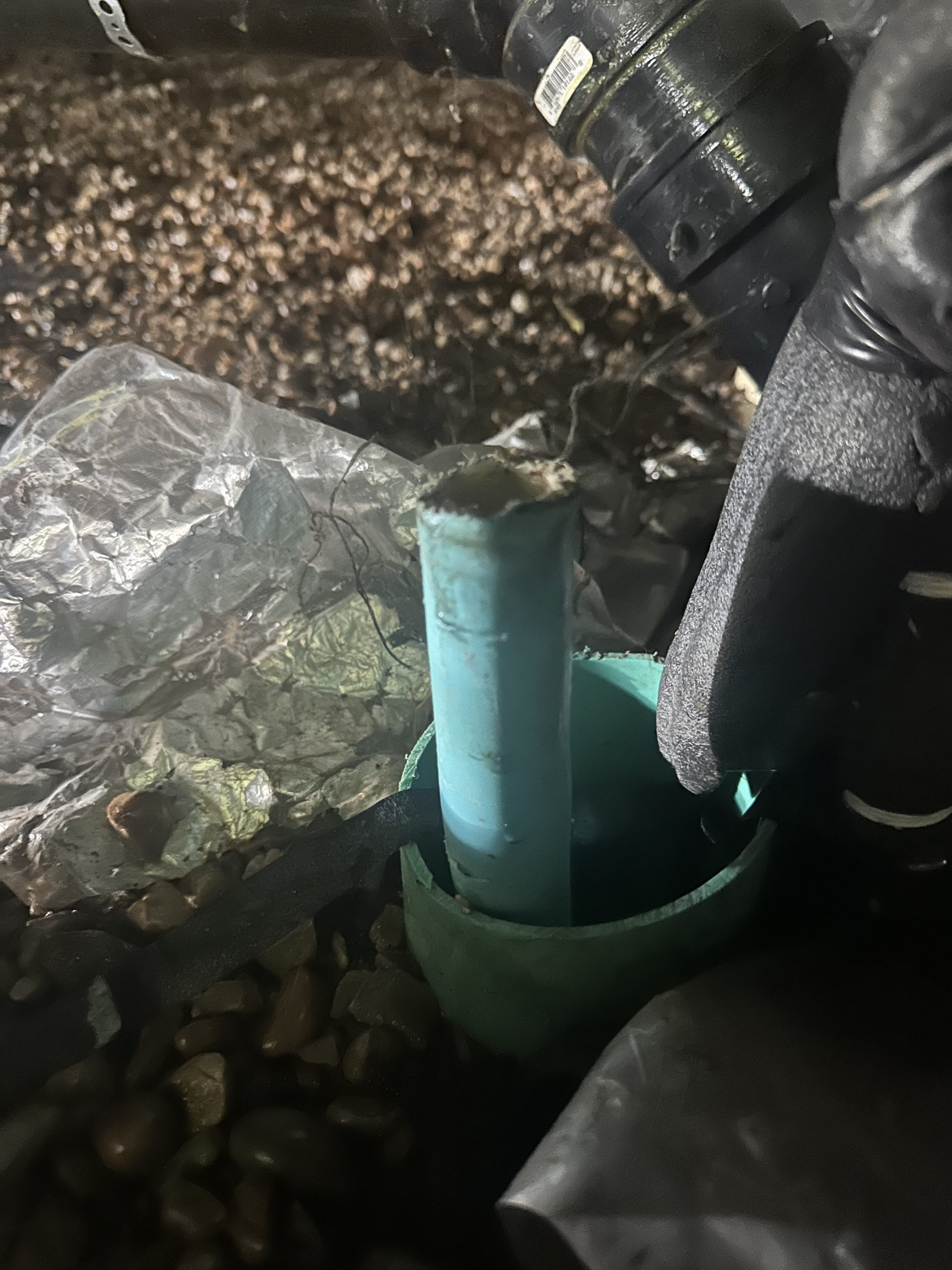
Pipe insulation materials, such as foam rubber or fiberglass sleeves, help retain heat and reduce the likelihood of freezing. Additionally, heat tape or cable can be strategically applied to vulnerable pipe sections, providing an additional layer of protection.
Regular maintenance and inspection of plumbing systems are advised to identify and address weak spots where insulation may be inadequate.
Thawing and Pipe Bursts
When temperatures begin to rise after a cold spell, the thawing of frozen pipes can lead to significant plumbing issues, including pipe bursts. This phenomenon occurs because the water within the pipes expands as it freezes, creating pressure on the pipe walls. Once the ice begins to melt, any weakened or compromised areas may rupture, causing extensive water damage.
To mitigate these risks, proper pipe insulation is essential. Insulation helps maintain a stable temperature within the pipes, reducing the likelihood of freezing during harsh winter conditions.
Winter maintenance plays an important role in preventing pipe bursts. Homeowners should regularly inspect their plumbing systems for signs of wear and tear, paying particular attention to areas exposed to cold air, such as basements and attics. Ensuring https://tmkplumbing.ca/plumbing-tips/ that pipes are properly insulated and that any existing insulation is intact can prevent freezing and subsequent thawing issues.
Additionally, maintaining a consistent indoor temperature during cold months can help safeguard plumbing systems. By addressing potential vulnerabilities proactively, homeowners can avoid the costly repairs and disruptions associated with pipe bursts.
To summarize, implementing effective pipe insulation and diligent winter maintenance can greatly reduce the risks posed by fluctuating temperatures in Grande Prairie.
Humidity and Pipe Corrosion
While often overlooked, humidity plays a notable role in the deterioration of plumbing systems through pipe corrosion. In Grande Prairie, where humidity levels can vary considerably, understanding how these variations affect plumbing infrastructure is vital. High humidity levels can accelerate the oxidation process in metal pipes, leading to increased corrosion rates. This is because moisture in the air interacts with metal surfaces, facilitating chemical reactions that degrade the material over time.
Corrosion is particularly concerning for older plumbing systems, which may be more susceptible due to wear and tear. The presence of humidity can exacerbate pre-existing weaknesses in pipes, leading to leaks or even bursts if not addressed promptly.
" width="560" height="315" frameborder="0" allowfullscreen>
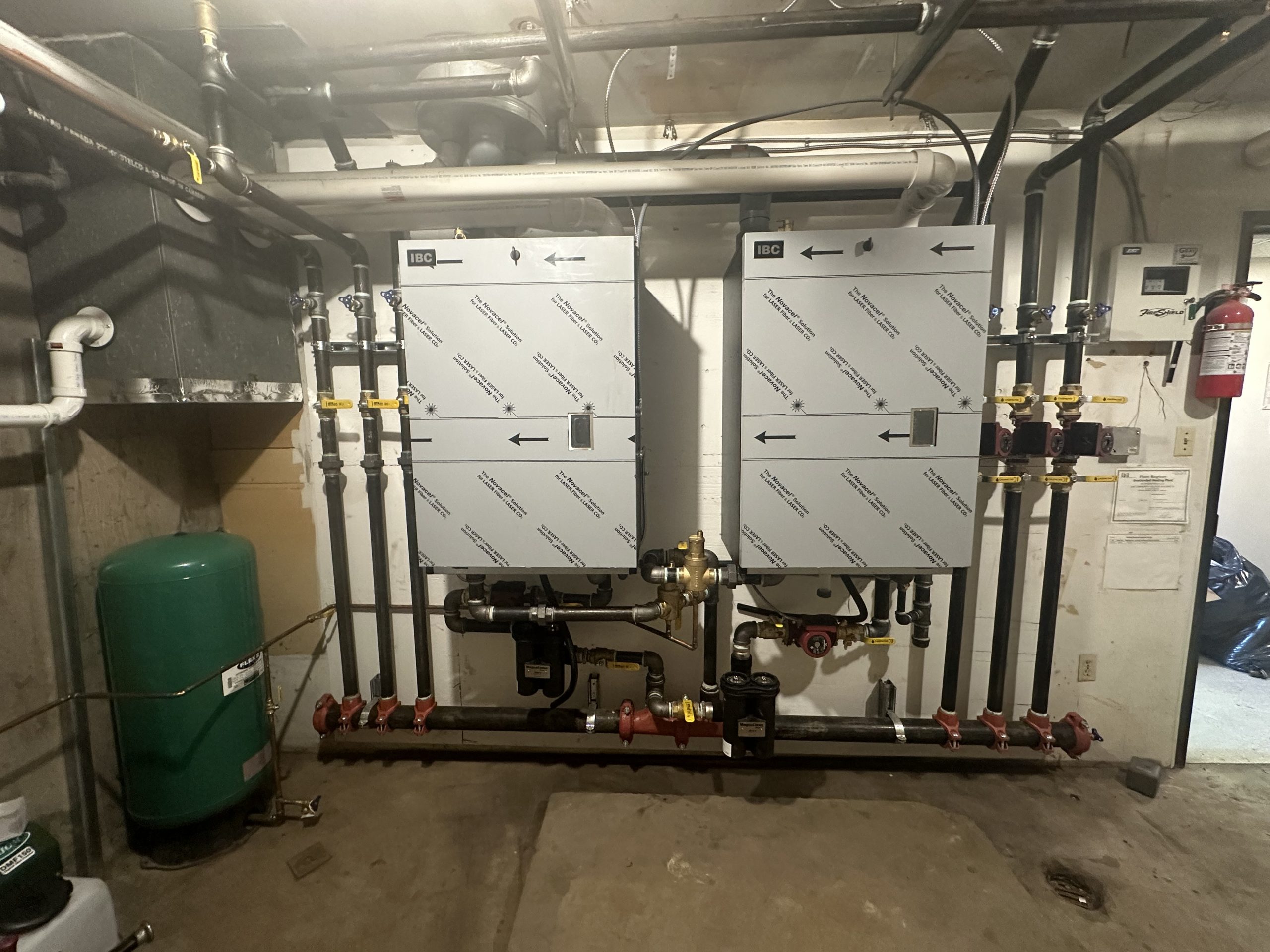
Additionally, areas with consistently high humidity levels can see more rapid deterioration, thereby increasing maintenance costs and the likelihood of repairs.
The impact of humidity on corrosion rates also depends on other environmental factors such as the presence of corrosive agents like chlorides, which can further accelerate the process.
As a result, it is essential for property owners and maintenance professionals to monitor humidity levels and implement preventive measures. Regular inspections and the use of corrosion-resistant materials can help mitigate the effects of humidity-induced pipe corrosion.
Temperature Fluctuations
Temperature fluctuations can considerably affect plumbing systems, leading to a range of potential issues. In Grande Prairie, the temperature extremes experienced throughout the year, especially between the frigid winters and milder summers, are a primary concern.
These seasonal changes can cause pipes to expand and contract, which over time may lead to stress fractures or even burst pipes. As water inside the pipes freezes, it expands, creating pressure that can crack or break the pipes if not properly insulated.
During periods of significant temperature changes, such as the shift from winter to spring or fall to winter, the plumbing system is particularly vulnerable. The rapid change from cold to warm temperatures can exacerbate pre-existing weaknesses in the system, often resulting in leaks or ruptures.
Additionally, the freeze-thaw cycles common in this region can contribute to soil movement, potentially displacing underground pipes and impacting their integrity.
In addition, temperature extremes can also affect the efficiency of water heaters, leading to increased energy consumption as they work harder to maintain desired water temperatures.
Understanding these impacts is essential for maintaining a reliable plumbing system in areas subject to such variable climates.
Preventative Plumbing Measures
Implementing preventative plumbing measures is vital for safeguarding systems against the detrimental effects of weather-induced stress. In Grande Prairie, where temperature fluctuations are common, such measures play an important role in maintaining the integrity of plumbing systems.
Pipe insulation is one of the most effective strategies to protect against freezing temperatures, which can cause pipes to burst. By enveloping pipes with insulation materials, homeowners can greatly reduce the risk of cold-induced damages, making sure that water flow remains uninterrupted during colder months.
Routine maintenance also serves as a cornerstone of preventative plumbing care. Regular inspections and servicing by professional plumbers help identify potential issues before they escalate into costly repairs. This proactive approach includes checking for leaks, testing water pressure, and verifying that all components are in ideal working condition.
Additionally, maintaining a consistent maintenance schedule guarantees that any weather-related stressors are promptly addressed.
" width="560" height="315" frameborder="0" allowfullscreen>
Furthermore, installing frost-free hose bibs and confirming proper drainage around the property can prevent water from accumulating and freezing, reducing the strain on plumbing systems.
Fundamentally, combining pipe insulation with routine maintenance not only extends the lifespan of plumbing infrastructure but also enhances its resilience against the local climate's challenges.
Conclusion
In the domain of plumbing, the weather in Grande Prairie acts as both sculptor and adversary, shaping the fate of pipes like clay in the hands of an artist. Freezing temperatures can transform water into ice, leading to pipe bursts, while humidity serves as a silent architect of corrosion. Temperature fluctuations create a dance of expansion and contraction, testing the endurance of plumbing systems. Understanding these elements and implementing preventative measures fortifies plumbing infrastructure against nature's relentless challenges.